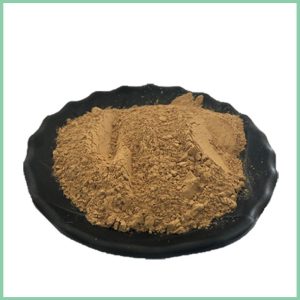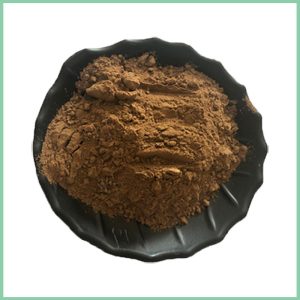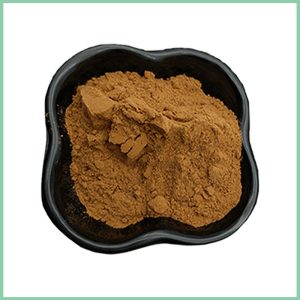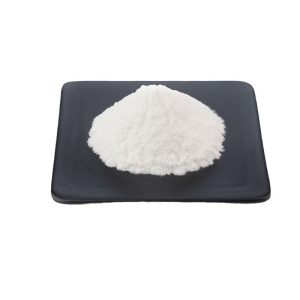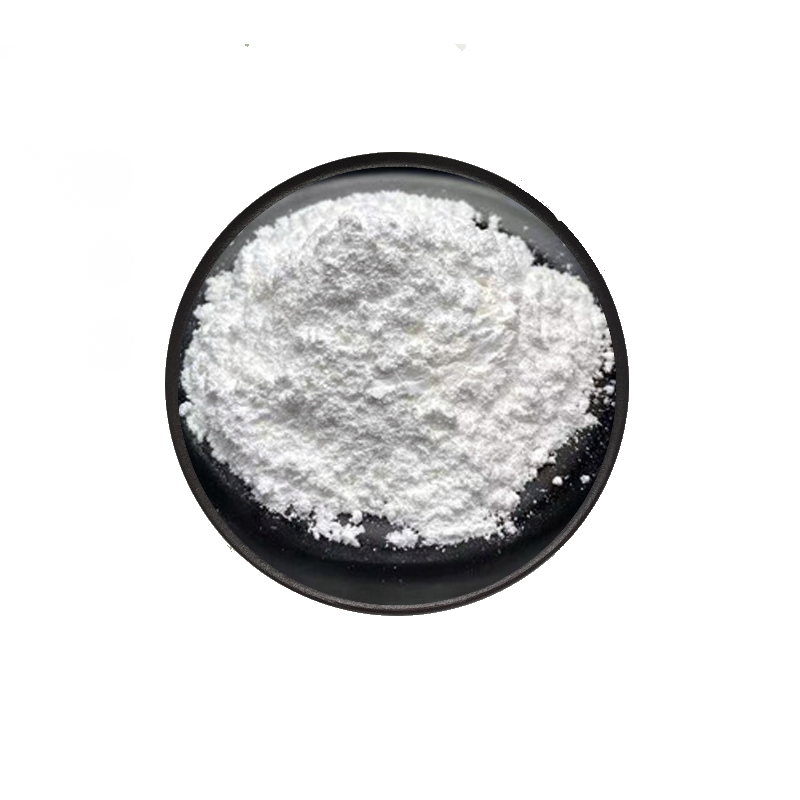
Hyaluronic Acid (HA) is a high molecular weight polysaccharide composed of repeating disaccharide units of glucuronic acid and N-acetylglucosamine. This cosmetic-grade Sodium Hyaluronate powder is produced through natural bacterial fermentation, yielding a fine white powder with exceptional water-binding capacity. Theoretically, its binding water capacity reaches up to 500 ml/g, making it an ideal natural moisturizing factor . With a molecular weight range of 0.8-1.2×10⁶ Da, this powder delivers superior hydration and skin-plumping effects . Free from animal-derived materials, it offers a safe, non-irritating solution for premium skincare formulations.
Specifications
| Parameter | Specification |
|---|---|
| Appearance | White powder |
| Assay (Sodium Hyaluronate) | ≥95% |
| Molecular Weight | 0.8-1.2×10⁶ Da |
| pH (0.1% solution) | 5.5-7.5 |
| Protein Content | ≤0.1% |
| Loss on Drying | <10% |
| Heavy Metals | <20 ppm |
| Bacterial Count | <1000 cfu/g |
| Solubility | Soluble in water; insoluble in alcohol, acetone |
| Shelf Life | 2 years |
| Storage | Cool & dry place, airtight |
Benefits
-
Deep Hydration: Holds up to 500 times its weight in water, providing intense and lasting moisture to the skin
-
Anti-Aging Support: Reduces the appearance of fine lines and wrinkles by restoring skin volume and elasticity
-
Barrier Repair: Strengthens the skin barrier, promotes repair of damaged skin, and improves sensitivity
-
Skin Plumping: Creates a smooth, firm, and plump appearance by retaining moisture within the skin layers
-
Broad Compatibility: Suitable for all skin types including dry, sensitive, and acne-prone skin
-
Non-Animal Origin: Produced via bacterial fermentation, eliminating risks of animal-derived contaminants
Applications
Cosmetics & Personal Care
-
Facial serums, moisturizers, and eye creams
-
Hair conditioners and scalp treatments
-
Sunscreen and after-sun products
-
Anti-aging and wrinkle-reducing formulations
-
Acne-prone and sensitive skin care products
Medical & Pharmaceutical
-
Eye drops and ophthalmic solutions
-
Wound healing and burn care preparations
-
Contact lens solutions
-
Topical medical lubricants
Usage Guidelines
-
Recommended usage concentration: 0.01% to 2% in formulations
-
Dissolves readily in water; creates a gel-like consistency when hydrated
-
Ideal for cold-process formulations
FAQ
Q: What is the difference between Sodium Hyaluronate and Hyaluronic Acid?
A: Sodium Hyaluronate is the sodium salt form of Hyaluronic Acid. It is more stable, has better solubility, and is the preferred form used in cosmetic and pharmaceutical formulations. In the INCI system, they are often used interchangeably, but Sodium Hyaluronate is the scientifically accurate name for this ingredient .
Q: What molecular weight is best for skin absorption?
A: Molecular weights between 80-1,000 kDa are most beneficial for skin penetration and hydration. Our powder falls within the 800-1,200 kDa range, providing an optimal balance between surface hydration and deeper absorption. Higher molecular weights (>1000 kDa) stay on the skin surface, while lower weights (<80 kDa) may cause irritation .
Q: How should Hyaluronic Acid powder be stored?
A: Store in a cool, dry place away from direct sunlight, in airtight packaging. When properly stored (shields light, airtight, 0-8°C recommended), shelf life is two years. Avoid exposure to moisture and high temperatures .
Q: Is this product suitable for oral or food-grade applications?
A: This product is cosmetic grade, specifically formulated for topical applications. For oral consumption or food-grade uses, please refer to our food-grade Hyaluronic Acid product line, which meets stricter heavy metal limits and food safety standards .
Q: What is the recommended usage percentage in skincare formulations?
A: The typical recommended usage concentration ranges from 0.01% to 2% in finished cosmetic products. For serums, 0.5-1% is common; for moisturizers and creams, 0.1-0.5% is typical. Always perform stability testing for your specific formulation .