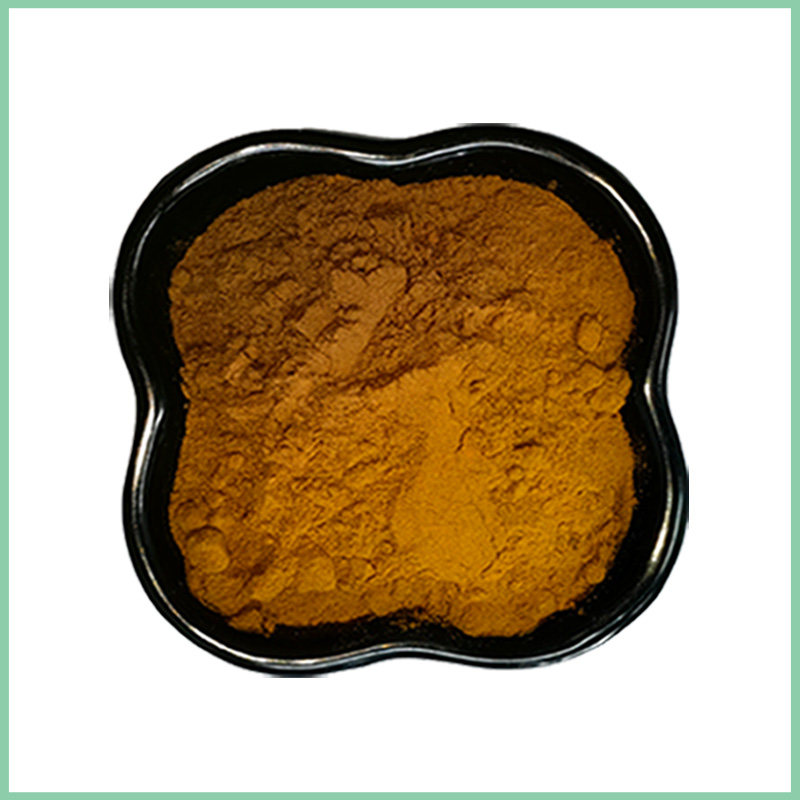
Schisandra extract is a botanical ingredient derived from the berries of Schisandra chinensis. It is widely used in dietary supplements, herbal formulations, functional foods, and other botanical products.
The quality of Schisandra extract depends on several important manufacturing factors, including raw material selection, extraction solvent, extraction temperature, purification methods, and drying technology.
So, how is Schisandra berry extract manufactured? Below is a step-by-step overview of the typical Schisandra extract manufacturing process, from raw berries to finished extract powder.
1. Raw Material Selection and Pretreatment
The first step in Schisandra extract production is selecting high-quality raw materials.
Manufacturers generally select mature, fully dried Schisandra berries that are free from mold, visible contamination, and other defects. Consistent raw material quality helps improve extraction efficiency and maintain batch-to-batch consistency.
Cleaning and Drying
The selected Schisandra berries are washed thoroughly with clean running water to remove surface dust, dirt, and other impurities.
After washing, the berries are spread evenly on clean drying trays. They can be naturally air-dried in a well-ventilated area or dried in a temperature-controlled oven at approximately 40–50°C until the moisture content reaches below 10%.
Crushing and Sieving
Once dried, the Schisandra berries are crushed into smaller particles. The grinding equipment and screen size are adjusted according to the extraction requirements.
Typically, the crushed material passes through a 20–60 mesh sieve. Proper particle size helps increase the contact area between the plant material and extraction solvent, supporting more efficient extraction.
Extraction is one of the most important stages in the Schisandra extract manufacturing process. Different extraction solvents and operating conditions can influence the recovery of active compounds.
Ethanol Solvent Preparation
Ethanol is commonly used to extract Schisandra berries because it can dissolve various botanical compounds, including lignans.
Depending on the target compounds, the ethanol concentration is generally adjusted between 70% and 95%. A 90% ethanol solution may be selected for certain extraction specifications.
Reflux Extraction
The crushed Schisandra berry powder is transferred into an extraction tank and mixed with ethanol at a typical solid-to-liquid ratio of 1:8 to 1:12 (g/mL).
The extraction tank is equipped with a reflux system to maintain solvent circulation. The temperature is controlled near the boiling point of the selected ethanol solution, and extraction generally continues for 1–4 hours.
During this process, regular stirring helps the solvent make sufficient contact with the plant material.
To improve extraction efficiency, manufacturers may perform two or three extraction cycles. After each cycle, the liquid extract is collected and transferred to a temporary storage tank.
Filtration
After extraction, the liquid is filtered to remove larger particles, insoluble impurities, and residual plant materials.
Industrial filtration equipment with filter cloth openings of approximately 0.1–0.5 mm may be used, depending on the production requirements.
The resulting filtrate is then ready for concentration and further purification.
3. Concentration and Purification
After filtration, the crude Schisandra extract solution undergoes concentration and purification to reduce solvent content and improve extract quality.
Vacuum Concentration
The filtered extract is transferred into a vacuum evaporation system.
A vacuum pump reduces the system pressure, typically to approximately 1–10 kPa. The evaporation temperature is generally controlled between 40°C and 80°C, depending on the solvent composition and process requirements.
Vacuum concentration allows solvents to evaporate at lower temperatures than atmospheric evaporation, helping reduce unnecessary heat exposure to heat-sensitive botanical compounds.
As evaporation continues, the extract gradually becomes more concentrated. The process may be stopped when the liquid volume reaches approximately one-fifth of its original volume, depending on the desired concentration.
Membrane Purification
The concentrated extract can then undergo membrane separation using ultrafiltration or nanofiltration equipment.
For example, an ultrafiltration membrane with a molecular weight cutoff of approximately 1,000–10,000 Da may be selected according to the target compounds and purification requirements.
Under an operating pressure of approximately 0.1–0.5 MPa, membrane separation helps remove certain smaller impurities while retaining the desired components, depending on membrane selectivity.
This step helps improve the consistency and purity of the concentrated Schisandra extract.
4. Spray Drying and Powder Blending
After concentration and purification, the liquid Schisandra extract is converted into powder through spray drying.
Spray Drying Process
The purified extract solution is pumped into the spray dryer through a feeding system. A spray nozzle breaks the liquid into fine droplets, which come into contact with hot air inside the drying chamber.
Typical operating temperatures include:
- Inlet air temperature: 150–180°C
- Outlet air temperature: 70–90°C
Moisture evaporates rapidly from the fine droplets, producing dry Schisandra extract powder.
Spray drying is widely used in botanical extract manufacturing because it offers efficient moisture removal and helps produce a powder with relatively consistent physical properties.
Powder Blending
After drying, the Schisandra extract powder may be blended with suitable processing aids or carriers, such as maltodextrin, depending on the product formulation.
The blending process must be carefully controlled. Mixing time and speed are adjusted to achieve uniform distribution while minimizing excessive heat generation, clumping, or other processing issues.
The final powder specifications depend on the intended application and customer requirements.
5. Packaging, Quality Control, and Storage
Packaging and storage are the final stages of Schisandra extract production. Proper handling helps maintain product quality during transportation and long-term storage.
Quality Inspection
Before packaging, representative samples are collected for quality testing.
Common quality control procedures may include:
- Appearance and color inspection
- Moisture content testing
- Particle size analysis
- Active compound identification and assay
- Microbiological testing
- Heavy metal and other contaminant testing
For Schisandra extract, lignan content, including schisandrin-related compounds, may be an important specification depending on the product grade.
Testing methods and acceptance criteria should be established according to the product specification and applicable regulatory requirements.
Packaging
Finished Schisandra extract powder is commonly packed in sealed containers, such as:
- Aluminum foil bags
- Food-grade plastic containers
- Glass bottles
- Other moisture-resistant packaging
Packaging should provide an effective barrier against moisture, air, and external contamination.
Storage
The finished product should be stored in a cool, dry, well-ventilated place away from direct sunlight. Properly sealed packaging helps prevent moisture absorption and maintain product stability.
6. Factors That Affect Schisandra Extract Quality
Although the basic manufacturing process is similar across many botanical extract products, several factors can influence the final quality of Schisandra extract.
| Production Stage | Key Quality Factors |
|---|---|
| Raw materials | Berry maturity, cleanliness, moisture content |
| Crushing | Particle size and uniformity |
| Extraction | Ethanol concentration, extraction time, solid-to-liquid ratio |
| Filtration | Removal of insoluble impurities |
| Concentration | Temperature and vacuum pressure |
| Purification | Membrane selection and separation efficiency |
| Spray drying | Inlet and outlet temperatures, moisture control |
| Packaging | Sealing performance and moisture protection |
Professional manufacturers adjust these parameters according to the target specifications, desired active compound content, and intended application.
7. Choosing a Reliable Schisandra Extract Manufacturer
For supplement brands, ingredient distributors, and manufacturers, choosing a reliable Schisandra extract supplier is just as important as selecting the right product specification.
When evaluating a manufacturer, buyers should consider the following factors:
- Raw Material Traceability: Reliable sourcing and consistent quality of Schisandra berries.
- Manufacturing Capabilities: Professional extraction, concentration, purification, and drying equipment.
- Quality Control: Testing procedures for active compounds, moisture, microbiology, and contaminants.
- Product Specifications: Clear information about extract ratios, active ingredient content, and powder characteristics.
- Bulk Supply Capacity: Stable production capabilities to support wholesale and long-term purchasing.
- Documentation: Available product specifications, Certificates of Analysis (COA), and relevant quality documents.
Working directly with a Schisandra extract manufacturer can help buyers obtain more consistent specifications, competitive bulk pricing, and a stable supply of botanical ingredients.
Conclusion
The Schisandra extract manufacturing process involves several carefully controlled stages, including raw material selection, cleaning, drying, crushing, ethanol extraction, filtration, vacuum concentration, purification, spray drying, and final packaging.
Each stage contributes to the quality, consistency, and specifications of the finished Schisandra extract powder. By controlling key production parameters and implementing appropriate quality testing, manufacturers can produce botanical ingredients that meet different industrial and commercial requirements.
We are a professional botanical extracts manufacturer and supplier, offering bulk Schisandra extract powder. Contact us today for product specifications, wholesale pricing, and a purchase quotation.