In the production of plant extracts, herbal extracts, and botanical extracts, choosing the right extraction technology is essential for maximizing active ingredient yield, maintaining bioactivity, and achieving consistent product quality.
Two commonly used technologies are solvent extraction and enzyme-assisted extraction. Although both methods aim to release valuable compounds from plants, their mechanisms, processing conditions, and applications are quite different.
Our Herbal Extract Powder Category
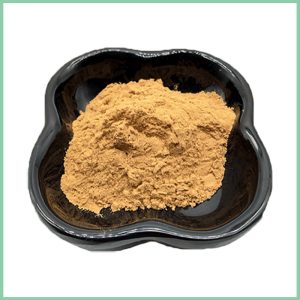
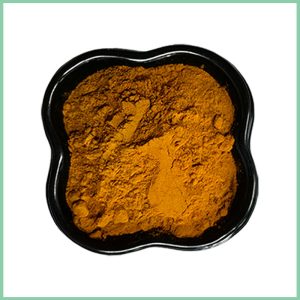
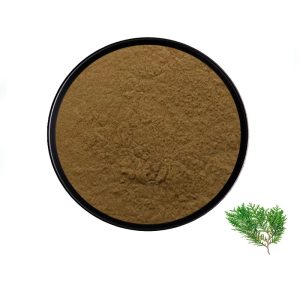
What Is Solvent Extraction?
Solvent extraction is a traditional and widely used method in the plant extract manufacturing industry. It uses solvents such as ethanol or water to dissolve and extract targeted active compounds from plant materials.
Different solvent concentrations can selectively extract different components:
- 50% ethanol extraction is often used for alkaloids and certain polar compounds.
- 70% ethanol extraction is commonly applied for flavonoid extraction.
- High-concentration ethanol extraction can help obtain volatile oils and lipid-soluble compounds.
The main principle is based on solubility differences — active compounds are dissolved into the solvent and separated from plant materials.
Common applications include extracting:
- Flavonoids
- Alkaloids
- Saponins
- Essential oils
- Polyphenols
What Is Enzyme-Assisted Extraction?
Enzyme-assisted extraction uses specific enzymes to break down plant cell walls, helping release intracellular active ingredients.
Commonly used enzymes include:
- Cellulase
- Pectinase
- Protease
Unlike solvent extraction, which extracts compounds by dissolving them from outside the cells, enzyme extraction works by breaking the plant structure from inside, allowing active ingredients to be released more efficiently.
This method is especially suitable for plants with strong cell wall structures or heat-sensitive compounds.
Temperature Difference Between Two Extraction Methods
Processing temperature is another important difference between solvent extraction and enzyme extraction.
Solvent Extraction Temperature
Solvent extraction usually requires higher temperatures, commonly around:
50–80°C
Heating improves extraction efficiency and accelerates compound dissolution. However, some heat-sensitive ingredients may degrade under high temperatures.
Enzyme Extraction Temperature
Enzyme-assisted extraction generally works under milder conditions:
40–60°C
The lower temperature helps protect sensitive compounds such as:
- Peptides
- Certain flavonoids
- Bioactive plant compounds
For heat-sensitive botanical materials, enzyme-assisted extraction can provide better protection of active ingredients.
Can Enzyme Extraction Replace Solvent Extraction?
Although enzyme extraction has many advantages, it cannot completely replace solvent extraction.
The two technologies work in different ways:
- Solvent extraction focuses on selective dissolution of target compounds.
- Enzyme extraction focuses on breaking plant cell structures and improving release efficiency.
In modern botanical extract manufacturing, these methods are often combined.
For example, enzyme treatment can be used as a pre-processing step before solvent extraction. This combination can improve extraction efficiency and increase active ingredient recovery by approximately 20–30% in some applications.
Choosing the Right Extraction Method for Different Plants
The suitable extraction technology depends on plant characteristics and target compounds.
Plants Suitable for Enzyme-Assisted Extraction
Plants with high fiber content and thick cell walls often benefit from enzyme treatment, such as:
- Astragalus root extract
- Licorice extract
- Other root and rhizome botanical materials
Enzyme-assisted processing can improve the release of:
- Saponins
- Flavonoids
- Polysaccharides
Plants Suitable for Solvent Extraction
Plants rich in lipid-soluble active compounds are often suitable for direct solvent extraction, including:
- Salvia miltiorrhiza extract
- Angelica extract
- Other plants containing fat-soluble compounds
Solvent extraction can efficiently obtain compounds such as:
- Tanshinones
- Volatile components
- Lipophilic active ingredients
Cost and Production Considerations
From a manufacturing perspective, each extraction method has different cost factors.
Solvent Extraction
Main costs include:
- Ethanol consumption
- Solvent recovery systems
- Safety management for flammable materials
Enzyme-Assisted Extraction
Main considerations include:
- Enzyme cost
- Precise control of processing conditions
- pH management
Enzyme extraction usually requires a controlled pH range, commonly around:
pH 4.0–6.0
Although enzyme processing requires more precise operation, combining enzyme treatment with solvent extraction can improve raw material utilization and reduce overall production costs.
How Botanical Extract Manufacturers Select Extraction Technology
Professional plant extract manufacturers, herbal extract suppliers, and bulk botanical extracts supplierdo not choose extraction methods based on a single technology.
The best extraction process depends on:
- Plant species
- Active compounds required
- Heat sensitivity
- Desired concentration ratio
- Final application
A customized extraction approach can help produce higher-quality botanical ingredients for industries such as:
- Dietary supplements
- Functional foods
- Herbal nutrition products
- Cosmetics
- Natural health products
FAQ About Plant Extract Extraction Technology
1. What is the difference between solvent extraction and enzyme extraction?
Solvent extraction uses ethanol or other solvents to dissolve active compounds, while enzyme extraction uses enzymes to break plant cell walls and improve ingredient release.
2. Which extraction method provides higher yield for herbal extracts?
The extraction yield depends on the plant material and target compounds. In many cases, enzyme-assisted extraction combined with solvent extraction can improve active ingredient recovery.
3. Why do botanical extract manufacturers use enzyme-assisted extraction?
Enzyme-assisted extraction helps improve extraction efficiency, protect heat-sensitive compounds, and increase the utilization rate of plant materials.