If you’ve wandered down the natural sweetener aisle lately, you’ve probably spotted monk fruit extract. It’s popping up in everything from protein powders to keto-friendly sodas. But what actually is it—and more importantly, is it good for you?
Let’s start with the basics. Monk fruit extract comes from a small green melon-like fruit native to southern China, called luo han guo. The sweetness doesn’t come from sugar—it comes from natural compounds called mogrosides, which are up to 300 times sweeter than table sugar but contain zero calories. That’s right: zero.
So far, so good. But let’s dig into the real question.
The Health Upside
The biggest win for monk fruit extract is how it handles blood sugar. Unlike regular sugar, it doesn’t spike your glucose or insulin. In fact, clinical studies show that replacing sugar with this extract can lower post-meal blood glucose by about 10–18% and insulin response by 12–22%. That’s a meaningful difference, especially if you have diabetes, prediabetes, or just want to avoid the afternoon energy crash.
There’s also a potential antioxidant boost—the mogrosides have shown free-radical-fighting properties in lab studies. But let’s be honest: you’re not eating monk fruit extract for its antioxidant power. You’re eating it because it tastes sweet without the guilt.
The Catch—and It’s a Big One
Here’s where it gets tricky. If you live in the US, the FDA considers monk fruit extracts safe (GRAS status). But in the European Union, the EFSA hasn’t fully approved it as a food additive, citing gaps in toxicity data. One rat study even flagged a potential effect on testis weight—though no reproductive issues were found in other trials. The EU is basically saying: “We need more long-term human data.”
That doesn’t mean it’s dangerous. It just means we don’t know everything yet.
The Sneaky Ingredient Problem
Here’s the part most people miss. Many commercial monk fruit sweeteners are not pure extract. They’re often blended with erythritol, a sugar alcohol that has recently been linked to heart health concerns in some studies. Others contain dextrose or maltodextrin—which do affect blood sugar.
So always, always read the ingredients list. If it says “monk fruit extract” and nothing else, you’re good. If it lists fillers, think twice.
So, Is It Healthy?
Yes—with caveats. Monk fruit extract is a genuinely smart swap for sugar, especially for blood sugar control. But it’s not a health miracle, and it’s not risk-free. Use it moderately, check your labels, and remember: no sweetener beats whole foods, fresh fruit, and a balanced diet.
If you treat it as a helpful tool rather than a free pass, monk fruit extract can absolutely have a place in your pantry.
About us
We are a leading fruit extracts supplier, committed to delivering clean-label, non-GMO ingredients with customized formulations and private labeling services.
Products by botanical extract powder category
-
Ginseng Extract Powder 20:1 | Natural Herbal Extract Supplier
-
Hemp Protein Powder Supplier | Plant-Based Protein Manufacturer
-
Black Bean Protein Powder Supplier | Plant Based Protein Wholesale
-
Pumpkin Seed Extract Protein Powder Dietary Supplement Manufacturers
-
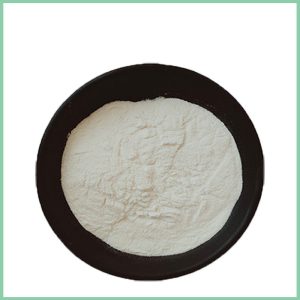
Rice Extract Protein Powder Supplier | Natural Plant Ingredient Wholesale
-
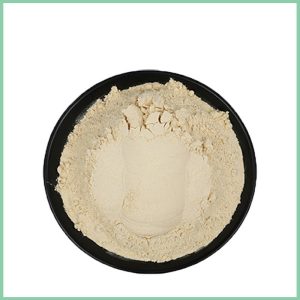
Soy Extract Powder Wholesale | Natural Soy Protein Supplier