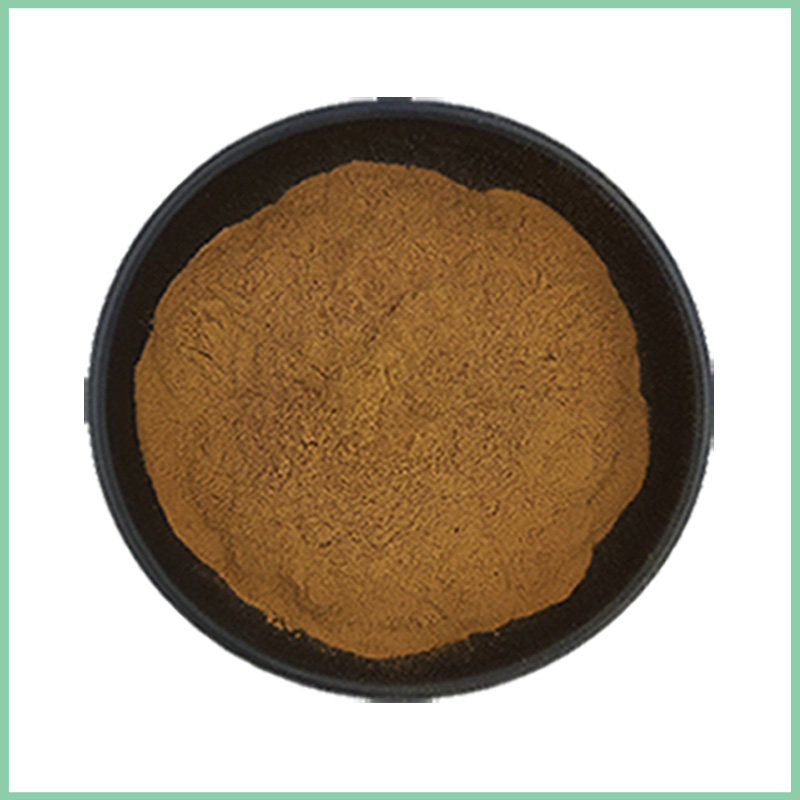
Product Description
Monk Fruit Extract Powder, derived from Siraitia grosvenorii (Luo Han Guo), is a premium natural sweetener standardized to high-purity Mogrosides. This fine powder delivers intense sweetness without calories or glycemic impact, making it a clean-label sugar alternative for modern formulations.
Key Benefits:
-
Zero calories, zero carbohydrates, diabetic-friendly
-
150-300x sweeter than sugar – small dosage required
-
Excellent heat and pH stability for versatile processing
-
Clean taste with no bitter aftertaste
-
GMP-certified production, Kosher, Halal, Non-GMO options available
Applications:
-
Beverages (juices, teas, flavored water, carbonated drinks)
-
Functional foods & nutritional supplements
-
Baked goods and confectionery
-
Dairy products (yogurt, smoothies)
-
Table-top sweeteners
Available Specifications: Mogroside V 20%-70%, customized ratios available.
FAQ
Q: What is the sweetness level of Monk Fruit Extract compared to sugar?
A: Monk Fruit Extract is approximately 150-400 times sweeter than sucrose, with Mogroside V providing up to 256-344 times sugar’s sweetness. Only a small amount is needed to achieve desired sweetness in formulations.
Q: Is Monk Fruit Extract safe for diabetic and keto-friendly products?
A: Yes. It has zero glycemic impact, does not raise blood sugar levels, and contains no carbohydrates or calories, making it ideal for diabetic, keto, paleo, and low-carb products.
Q: What is the shelf life and storage requirement?
A: 24 months shelf life when stored in a cool, dry place away from direct sunlight.
Q: Which specifications are available for bulk orders?
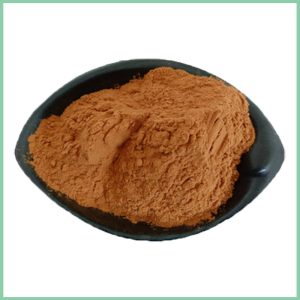
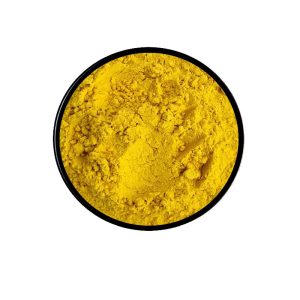
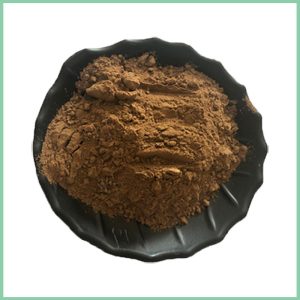
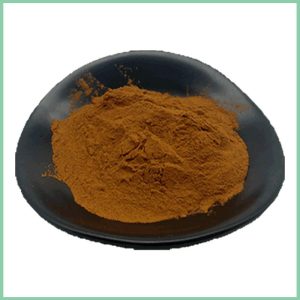
A: Available in Mogroside V 20%, 25%, 30%, 40%, 50%, 55%, 60%, 65%, 70% with corresponding color variations from yellow-brown to milk white powder. Custom specifications available upon request.
Q: What is monk fruit extract?
A: Monk fruit extract is a zero-calorie natural sweetener derived from Siraitia grosvenorii, a small green fruit native to southern China. Its intense sweetness—100 to 300 times sweeter than sugar—comes from natural compounds called mogrosides. The extract is made by crushing the fruit and isolating these sweet compounds.
Q: Is monk fruit extract bad for you?
A: The answer isn’t a simple yes or no. Here’s what the latest science says:
👍 Potential Benefits
-
A 2025 systematic review of monk fruit clinical trials found that it reduces post-meal glucose by 10–18% and insulin response by 12–22%, with no severe adverse effects reported.
-
It offers antioxidant properties and aligns with consumer demand for clean-label, health-promoting alternatives.
⚠️ Regulatory Concerns
-
In July 2026, the FAO/WHO JECFA safety evaluation on monk fruit established a temporary acceptable daily intake of 0–10 mg/kg body weight per day. However, estimated dietary exposure for children was 38 mg/kg/day—about four times higher than this temporary limit.
-
The EU regulatory status of monk fruit extract remains complex. The European Food Safety Authority (EFSA) has not yet authorized it as a general-purpose sweetener, though a new application is under assessment as of 2026.
🧐 The Product Label Trap
Many commercial monk fruit sweeteners are blended with erythritol—a sugar alcohol that recent research has linked to increased cardiovascular risk. The additive, not the monk fruit itself, may be the culprit behind digestive issues like gas and bloating. Always read ingredient labels carefully.
About us
We are a leading natural fruit and vegetable extracts supplier, committed to delivering clean-label, non-GMO ingredients with customized formulations and private labeling services.